Food and place
What food miles measure and what they miss
Distance alone says little about a food’s climate cost. A 2022 University of Sydney model put transport at about 19 percent of what the food system emits, and for fruit and vegetables the trip can outweigh the growing.
5 min read
For cooks who ask why
Tongue and Tine is written for people who cook at home and keep wondering why food behaves the way it does. Why does a wedge of lemon taste like candy for half an hour after someone chews a small red berry? What is the tongue picking up when it registers salt, or the savory depth of a stock that has simmered all afternoon? How can a sealed bag in a pot of warm water cook a steak edge to edge without turning the outside gray, and what happens to bacteria at those lower temperatures? And how much does the distance a tomato traveled say about what it cost the planet?
New readers can start with one of three pieces: how miracle fruit works for taste, sous-vide time and temperature for technique, or what food miles measure for where food comes from.
Those questions fall into three sections.
Flavor treats taste as biology. It looks at the receptor cells on the tongue and what each kind responds to, and at miracle fruit, the West African berry whose protein, miraculin, makes sour food taste sweet for a while. It also covers how regulators in the United States have handled that protein.
Kitchen lab takes methods that began in professional modernist kitchens and asks what survives on a home counter. Sous-vide cooking gets the full treatment, with the temperatures and holding times that make it safe. Spherification, where a flavored liquid sets into beads inside a thin gel skin, gets an explanation of the alginate and calcium chemistry behind it. The section also weighs which equipment a home kitchen actually uses and which mostly takes up drawer space.
Food and place is about growing food close to where it is eaten: beds on rooftops, shelves of greens under lights indoors, and the ambition of a kitchen that serves nothing grown more than a few steps away. It also asks what the familiar food miles figure measures and what it leaves out.
Claims about food science and regulation are checked against primary sources, such as federal agencies, university food-science departments and published research. Where a piece involves food safety, the temperatures and times come from published federal guidance.
Each article carries the day it was completed, and the archive puts them all in sequence. The about page explains what kind of site this is.
Newest pieces
-
Flavor
How miracle fruit turns sour into sweet
A small red berry from West Africa makes a lemon taste like candy for an hour or so. The trick lives in one protein and one receptor, and regulators on both sides of the Atlantic have kept it on a short leash.
-
Food and place
Rooftop and indoor growing for restaurants
A shelf of microgreens by the pass is cheap and quick to pay back. A farm meant to supply the whole menu is another business, and several well-funded ones have gone under.
-
Kitchen lab
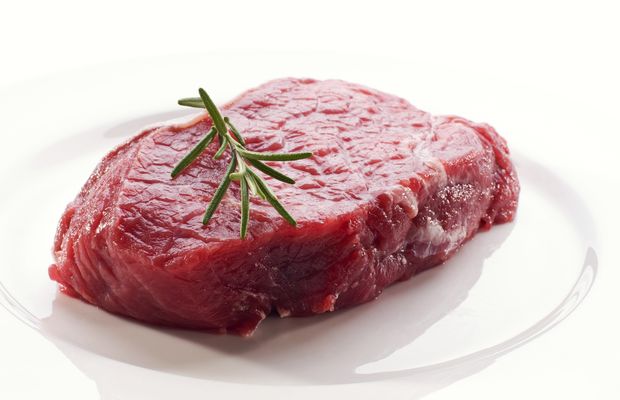
Sous-vide at home: the time and temperature behind a safe low-heat cook
A water bath set to 140°F (60°C) can make chicken as safe as a pan taken to 165°F (74°C). It only works if the clock starts at the right moment and the bag is handled properly afterwards.
-
Kitchen lab
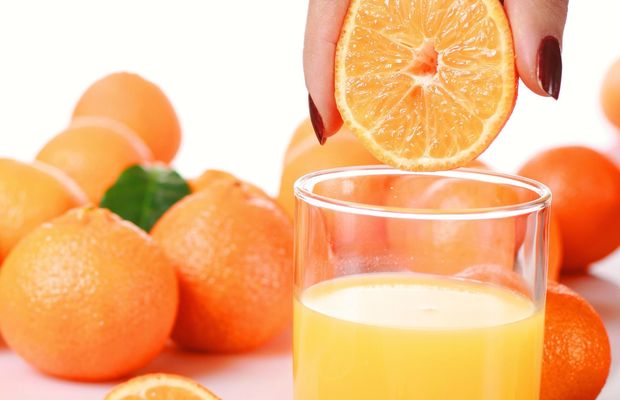
Spherification at home: alginate, calcium and the gel skin
Two powders from the modernist pantry turn a spoonful of juice into a bead that bursts on the tongue. One comes from seaweed, the other is a salt, and the order in which they meet decides how the bead behaves.
-
Flavor
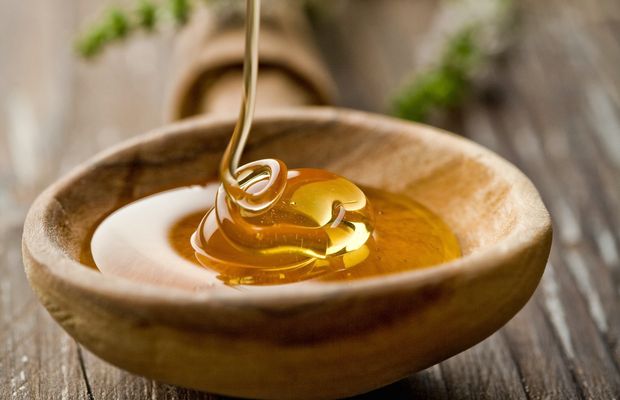
What the tongue actually detects
The tongue reports only a handful of things, and it reports all of them from everywhere it has taste buds. Most of what people call taste arrives by another route.
-
Food and place
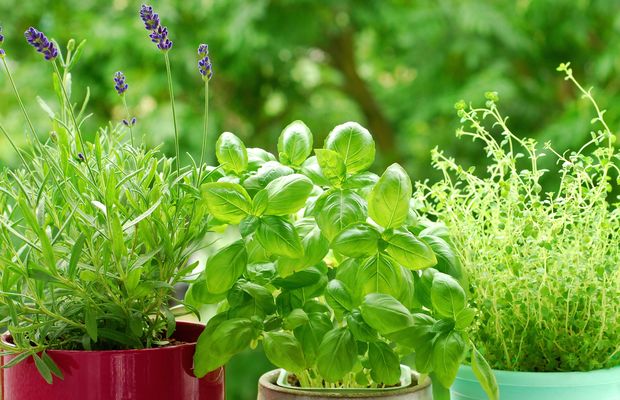
The path to zero-food-mile cooking
A few kitchens now grow part of what they serve within sight of the stove. The idea holds up well for herbs and young greens and runs out of room long before the rest of the menu.
The sections
Flavor
The biology behind what a mouthful tastes like.
2 pieces, 2026
-
How miracle fruit turns sour into sweet
Miracle fruit is the berry of Synsepalum dulcificum, a shrub native to West Africa, where the fruit has a long history of being eaten. The berry is small and red, with a thin layer of pulp around a single seed.
-
What the tongue actually detects
Taste buds answer to five chemical qualities, and a 2006 review in Nature tied each one to its own cell type and receptor. Every patch with taste buds senses all five, so the old schoolbook map of separate zones was never right.
Kitchen lab
Professional methods, tried against the limits of a home stove.
3 pieces, 2026
-
Sous-vide at home: the time and temperature behind a safe low-heat cook
Sous-vide means “under vacuum.” Food is sealed in a plastic bag and cooked in water held at a fixed temperature, usually by a circulator clipped to the side of a pot. Because the water never runs hotter than the setting, a steak cannot overshoot.
-
 When the fridge fails: what to keep and what to throw out
Four hours with the door shut, a day or two for a full freezer: after a breakdown the clock decides what stays, and the repair quote decides what to borrow, a figure a Polish borrower can test in Wandoo’s calculator before applying.
-
Spherification at home: alginate, calcium and the gel skin
Spherification sets a thin gel skin around a drop of liquid while leaving the inside runny. Small drops come out looking like fish roe. Larger spoonfuls become soft, yolk-like spheres that hold their shape on a plate and break open in the mouth.
Food and place
How far food travels, and whether the distance is the point.
3 pieces, 2013–2026
-
Rooftop and indoor growing for restaurants
Growing food where it is served is no longer a novelty in restaurant kitchens. The crops that make sense have barely changed in fifteen years. The business around them has changed a great deal.
-
 What food miles measure and what they miss
The idea of food miles came from Tim Lang, a British food policy researcher, and the SAFE Alliance, a coalition of farming and environmental groups. It first appeared in print in 1994 in The Food Miles Report by Angela Paxton, which set out the costs of hauling food over long distances.
-
The path to zero-food-mile cooking
A few kitchens now grow part of what they serve within sight of the stove. The idea holds up well for herbs and young greens and runs out of room long before the rest of the menu.