Every section
Archive
Everything published here, newest first.
One piece, on a kitchen that grows its own produce indoors, is dated years before the rest. Each piece carries the day it was finished, and the list runs from the newest down.
To browse by subject instead, go to Flavor, Kitchen lab or Food and place.
Latest at the top
-
Kitchen lab
When the fridge fails: what to keep and what to throw out
Four hours for the fridge, a day or two for the freezer, two hours above 40°F (4°C) for anything perishable. After that a chart decides what stays, not the smell.
-
Flavor
How miracle fruit turns sour into sweet
A small red berry from West Africa makes a lemon taste like candy for an hour or so. The trick lives in one protein and one receptor, and regulators on both sides of the Atlantic have kept it on a short leash.
-
Food and place
Rooftop and indoor growing for restaurants
A shelf of microgreens by the pass is cheap and quick to pay back. A farm meant to supply the whole menu is another business, and several well-funded ones have gone under.
-
Kitchen lab
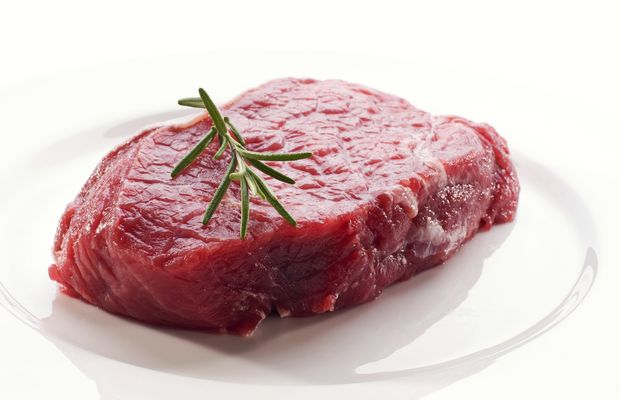
Sous-vide at home: the time and temperature behind a safe low-heat cook
A water bath set to 140°F (60°C) can make chicken as safe as a pan taken to 165°F (74°C). It only works if the clock starts at the right moment and the bag is handled properly afterwards.
-
Kitchen lab
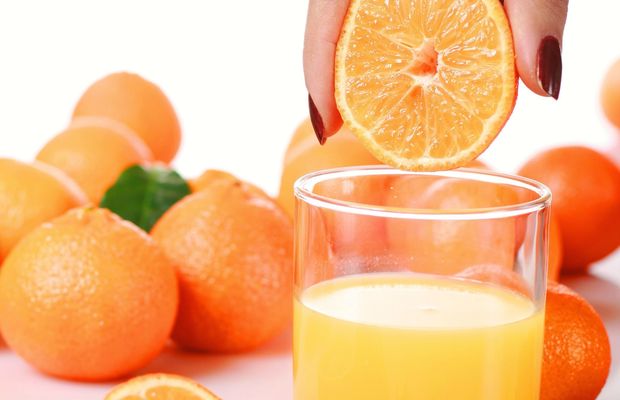
Spherification at home: alginate, calcium and the gel skin
Two powders from the modernist pantry turn a spoonful of juice into a bead that bursts on the tongue. One comes from seaweed, the other is a salt, and the order in which they meet decides how the bead behaves.
-
Food and place
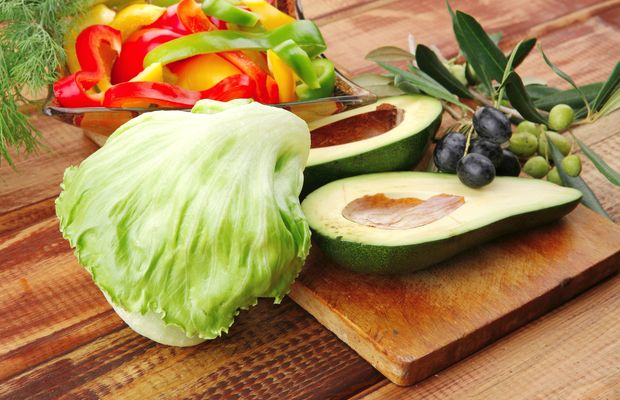
What food miles measure and what they miss
The distance a tomato traveled is easy to picture and hard to use. Two decades of research say it matters a lot for some foods and very little for others.
-
Flavor
What the tongue actually detects
The tongue reports only a handful of things, and it reports all of them from everywhere it has taste buds. Most of what people call taste arrives by another route.
-
Food and place
The path to zero-food-mile cooking
A few kitchens now grow part of what they serve within sight of the stove. The idea holds up well for herbs and young greens and runs out of room long before the rest of the menu.